Disclosure: I have partnered with Ultima Replenishers to create this blog post. The information presented is mine.
Why-drate?

As a registered dietitian and board certified specialist in sports dietetics- hydration is always top of mind for me. When it comes to fluid intake, it is important to remember that hydration never takes a vacation. In fact, a significant percentage of the US population is NOT meeting their fluid needs. Observations from the National Health and Nutrition Examination Survey have shown that many Americans do not meet their adequate intake (AI- not artificial intelligence) for water.
Vieux, M. Maillot, C.D. Rehm, P. Barrios, A. Drewnowski. Trends in tap and bottled water consumption among children and adults in the United States: analyses of NHANES 2011-16 data. Nutr J. 29 (2020)
Carrying a water bottle is not the same as drinking the liquid in it. We have #compliance defiance and need to do a better job to optimize our liquid assets to Make Americans Hydration Aware.
So why does this matter? Our body needs to have enough fluid to function properly. Adult men’s bodies are about 60% to 65% water; adult women’s bodies are about 50% to 60% water. That water is needed to transport nutrients as well as oxygen to the cells. Water in the mouth in our saliva helps with digestion and fluid + fiber can be one way to keep our digestive tract happy. Urine helps to eliminate waste products including:
- Urea & Ammonia
- Creatinine
- Minerals & Electrolytes in excess of need
And water helps to regulate internal body temperature, a joint lubricant and cushion for the brain and the spine.
Why is being hydrated so important?
Being well hydrated has whole body benefits. Fluid ingest-ment is a health investment!
- Adequate fluid intake can positively influence energy, focus, mood
- Adequate fluid can help to deliver blood to the cells, regulate blood pressure and help the heart function more effectively
- Adequate fluid can contribute to our digestive tract working efficiently and effectively
Fluid is good for the brain, body and bowels
Evidence based recommendations for practical implementation
How much fluid do you need every day?
Dietary Reference Intakes for Water, Potassium, Sodium, Chloride, and Sulfate) 2004, Institute of Medicine (IOM) Food and Nutrition Board. The National Academies Press (Washington, DC).
- For women- 91 ounces of fluid daily which is about 11, 8-ounce glasses OR 4.5, 20-ounce water bottles

OR
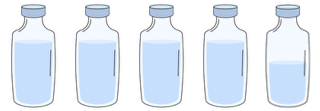
- For men, 125 ounces of fluid daily which is about 15.5, 8-ounce glasses OR 6, 20-ounce water bottles

OR
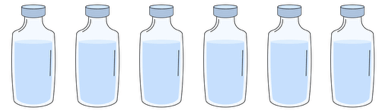
And remember, that fluid is not just in the glass or mug, but also in foods we eat such as:
- Fruits
- Vegetables
- Smoothies
- Milk (dairy and plant based)
- Coffee
- Tea
- Sparkling water/soda
- Sports drinks (for active individuals)
- Soups
- Stews
- Chili
- Popsicles/fruit ice
- Gelatin
How do you know where you fall?
Euhydration is the goal- having optimal levels of water in your body- not too little or too much
Dehydration- body loses more fluid than is consumed
Hyperhydration- too much fluid in the body
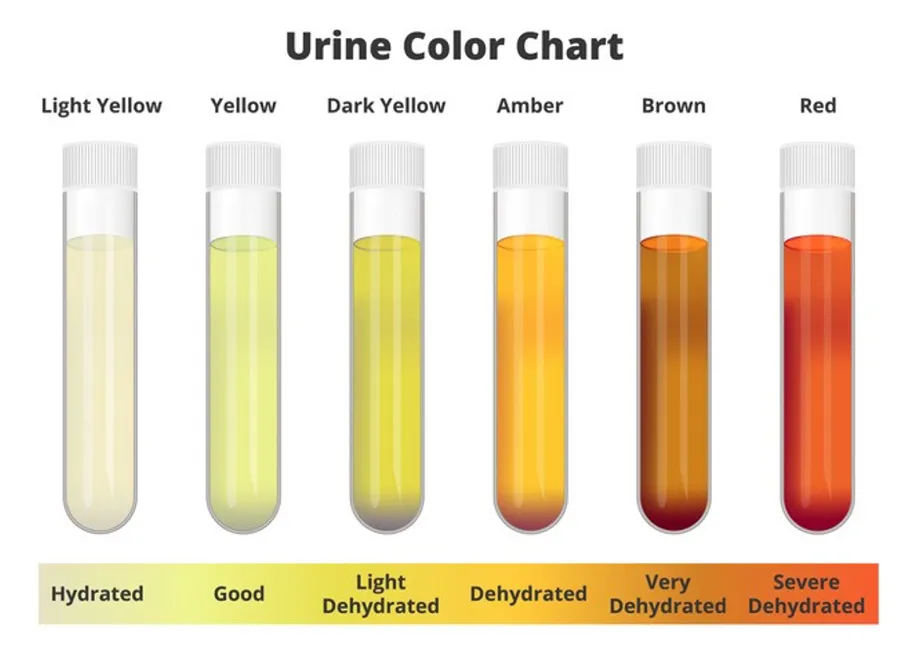
So how do you know if you are drinking enough? The pee chart is a good indicator with the goal of urine that is lighter in color and higher in volume. Lemonade color- GOOD, apple juice color- BAD
How might you know if you are NOT drinking enough?
Here are some signs that you may need to increase your fluid intake:
- You feel thirsty throughout the day
- You feel weak, dizzy or lightheaded
- Your strength, speed, stamina are decreased when exercising or you find it harder to work out
- You regularly have headaches
- Your mouth is dry
- You have nausea, or a burning feeling in your stomach
WHO MAY BE AT HIGHER RISK for DEHYDRATION?
- Those who restrict calories/intake
- Individuals on low-carbohydrate diets
- Those on GLP-1 RAs- the weight loss medications, also used for diabetes management
- Those who work in hot/humid environments:
- Construction workers, lifeguards, firefighters, UPS/FedEx drivers, bus drivers, crossing guards
- Parents of kids in sports
- Band camp
- Fitness instructors
- Those who do hot yoga/spin class
- Older adults as thirst response diminishes with age and people become less efficient at regulating body temperature, as well as the use of medications that can adversely affect hydration.
SO HOW CAN YOU SCORE WITH YOUR POUR?
Fluid accountability helps you keep track of your liquid assets. You can count the number of bottles/glasses you consume daily
OR use an app:
You can also do a self-assessment using the score with your pour checklist to see how well you are doing with your daily hydration plan.
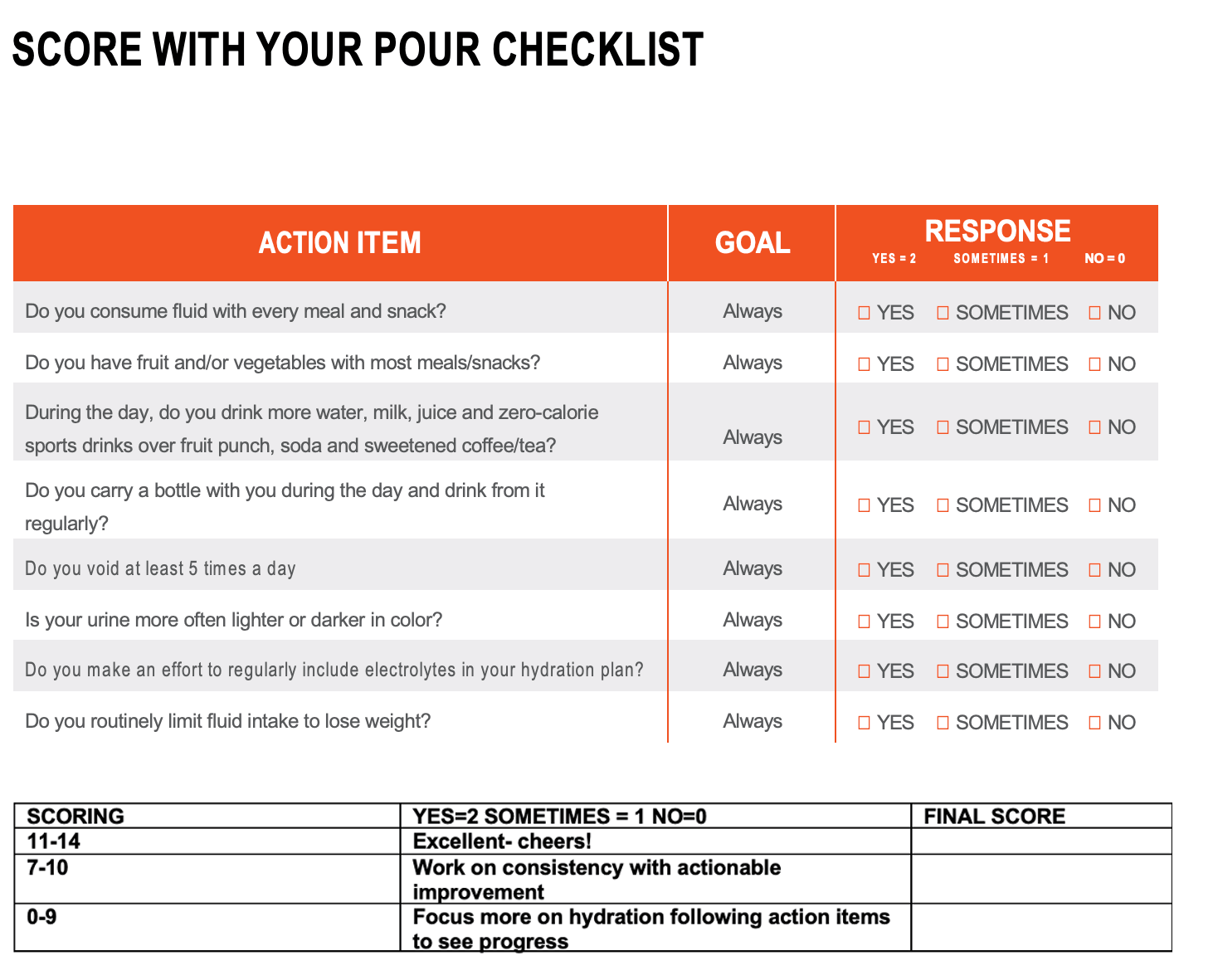
Get more from your pour:
- Fluid + Electrolytes without the added sugar or excessive sodium
- Water AND: (It takes a village)
- MACRONUTRIENTS:
- Carbohydrates help to increase water absorption in the intestines and help the body to store rather than lose fluid
- MICRONUTRIENTS:
- MACRONUTRIENTS:
-
-
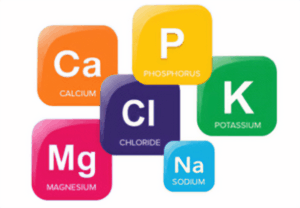
- Sodium (Na) for water absorption and to regulate water INSIDE and OUTSIDE of cells
- Potassium (K)- maintains fluid balance INSIDE the cells
- Magnesium (Mg) helps to regulate fluid balance and enhances fluid absorption over fluid losses
- Calcium (Ca)helps with fluid balance and cellular hydration
- Chloride(Cl) for fluid balance, blood pressure regulation and digestion
-
HERE ARE SOME TIPS TO HELP YOU UP YOUR HYDRATION GAME
Be proactive, preventative and practical with your fluid intake strategy. #thinkyourdrink:
Enough
Often- on a schedule
Keep track
Increase fluid intake gradually
Pair F + F: food + fluid
Take A Look at the Hydration-U Resources such as the Hydration Tip Sheet and the Hydration Continuum Handout on the ultimareplenisher.com website
H-onor
Y-our
D-rink
R-outine and
A-wareness to
T-hrive
E-veryday